MedTech's Most Collaborative Conference.
Thank you for joining us at the 6th annual Northern New England MedTech Conference.
This conference is co-presented by MedTech Collaborative and The Roux Institute
Read the recap Meet the pitch finalists View the agenda


Reimagining healthcare in Northern New England.
On November 12–13, the region's MedTech leaders gathered at Northeastern University's Roux Institute in Portland, Maine, for the sixth annual Northern New England MedTech Conference.
Co-presented by MedTech Collaborative and the Roux Institute, this year's conference focused on Reimagining Healthcare and the shift toward proactive, continuous, and consumer-driven care.
Over two days, attendees explored new approaches to care delivery, the role of emerging technologies, and what it takes to bring medical innovations from development to market.
View the full 2026 agenda →
Rethinking how healthcare is delivered.
The conference opened with a discussion on the State of American Healthcare. While medical technology and treatment have advanced considerably, panelists examined the ongoing challenges of affordability, access, and unequal health outcomes.
These issues are especially relevant in rural communities, where geographic distance, workforce shortages, and limited access to specialists can make receiving care difficult.
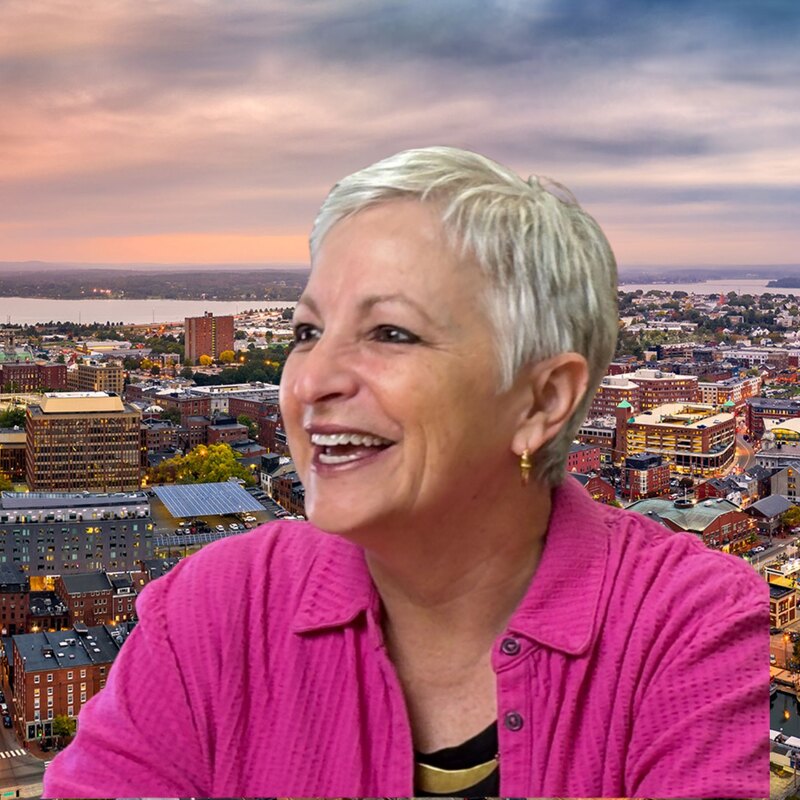
Nathan Goldstein of Dartmouth Health discussed efforts to bring more care directly to patients through hospital-at-home, primary care, and palliative care programs. Kristen McAuley of Maine's Rural Health Transformation Program emphasized the importance of developing solutions around the needs of individual communities.
Julie Lenzer shared her personal experience navigating cancer treatment, offering a reminder that improving healthcare means addressing more than clinical outcomes. Quality of life, emotional well-being, and the patient experience also matter.
The conversation continued during Shifting Care Delivery, which explored how patients increasingly expect greater convenience, transparency, and control over their healthcare.
Mary Butler-Fleming of Community Care Partnership of Maine discussed a digital specialist consultation platform that has supported approximately 8,000 consultations and generated nearly $2 million in estimated cost savings. Clayton Cassone of CVS Health and Kaitlin Maier, Co-Founder of REIA, shared their approaches to simplifying healthcare navigation and giving patients more control over their care.

Bringing technology into public health.
In her keynote, Applying Digital Tools for Healthier Communities: A New Public Health Frontier, Rear Admiral Susan Blumenthal, MD, MPA (ret.), challenged attendees to consider how technologies developed for individual patients could also benefit entire communities.
Blumenthal discussed the emerging field of public health technology, including opportunities to use artificial intelligence, data science, and digital tools to improve population health.
She highlighted gaps in public health infrastructure and the lengthy process of translating scientific discoveries into services that reach patients. Among the opportunities she explored were improved disease surveillance and digital models of communities that could help identify health risks and connect residents with resources.
Susan Blumenthal also stressed that technology alone cannot solve these challenges. Progress will depend on collaboration between healthcare professionals, technologists, policymakers, and the communities they serve.
What it takes to build a MedTech company.
The Building the Next MedTech Unicorn panel focused on the commercial challenges facing medical technology startups.
Panelists discussed the importance of starting with a clearly defined clinical problem, demonstrating that a proposed solution improves on existing approaches, and understanding how customers will ultimately pay for it.
Reimbursement was a major topic. Establishing coding, coverage, and payment pathways can take years, and founders were encouraged to consider these requirements early rather than waiting until a product is ready for market.
The panel also examined how healthcare systems evaluate new products. Clinical evidence is essential, but so are implementation costs, workflow considerations, and support from physicians who can advocate for adoption.
For early-stage companies, the advice was to stay focused: start with smaller clinical pilots, use capital efficiently, and explore grants and other non-dilutive funding opportunities before taking on additional investment.
Building an ecosystem that supports innovation.
On Day 2, Thomas Luby, Chief Innovation Officer at Texas Medical Center, shared how the organization has developed and adapted its approach to supporting healthcare startups.
Drawing on Texas Medical Center's accelerator programs, venture creation initiatives, and international partnerships, Luby discussed what's worked, what hasn't, and how those experiences have shaped its current programs.
He described a shift toward working with experienced entrepreneurs-in-residence, expanding access to shared laboratory infrastructure, and testing new ways to reduce delays in clinical research.
Throughout his presentation, Luby emphasized the importance of measuring results and being willing to change course. Rather than treating any one accelerator or innovation model as permanent, Texas Medical Center continues to test new approaches and build on those that prove effective.
Showcasing the next generation of MedTech.
The conference also gave emerging companies an opportunity to share their technologies and connect with potential partners, customers, and investors.
The Innovation Showcase and Lightning Pitch sessions featured companies working across medical devices, diagnostics, biotechnology, and digital health.
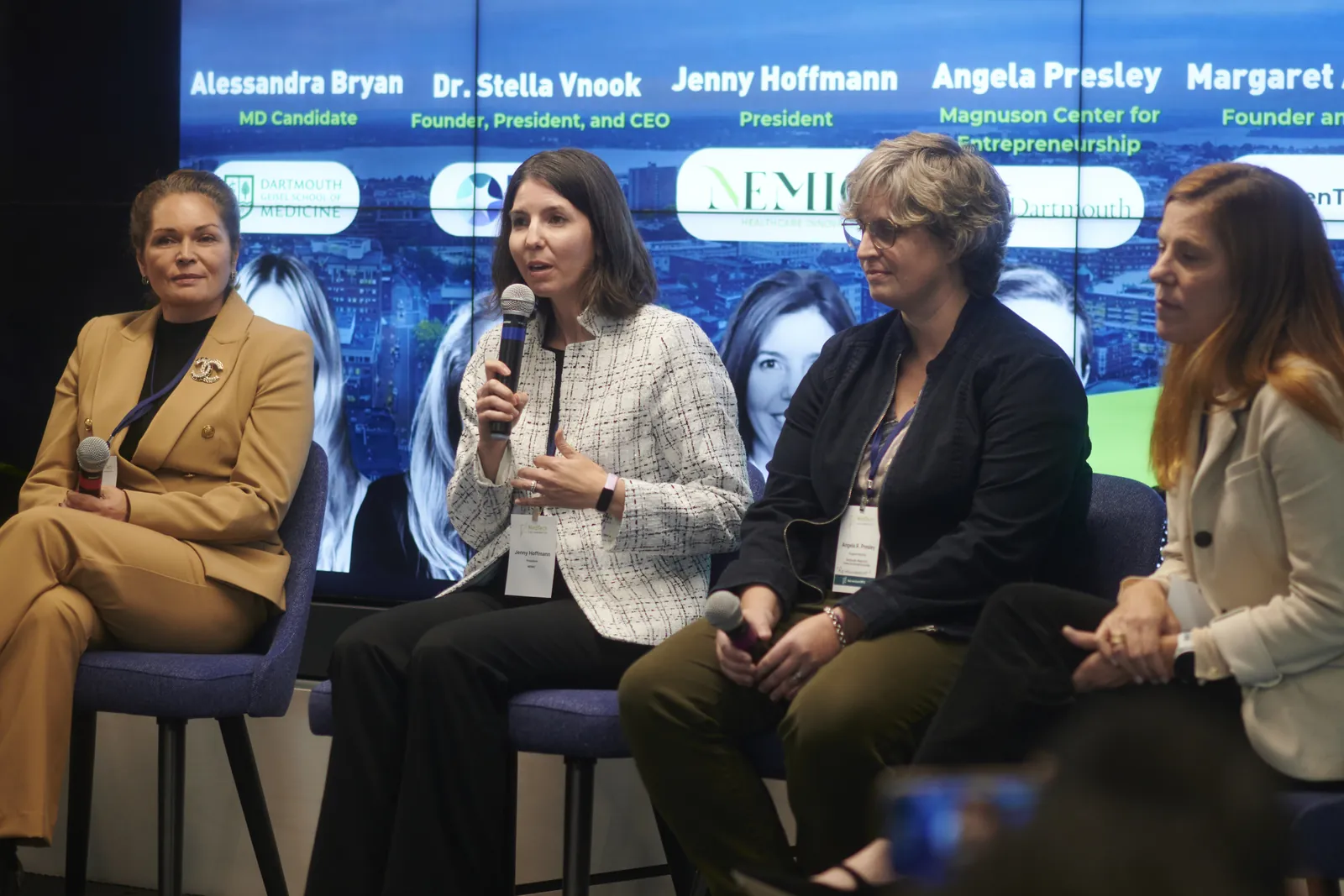
The 2026 Pitch Competition finalists.
The annual Pitch Competition brought five finalists to the stage, each addressing a different healthcare challenge:
At-home diagnostic technology designed to improve monitoring of chronic kidney disease.
AI-powered analysis of standard ECGs to help detect coronary artery disease earlier.

A flexible, sensor-equipped scoliosis brace designed to improve comfort and treatment adherence.

A reusable, sensor-enabled bed pad that alerts caregivers to moisture events and supports more responsive incontinence care.
Robotic ultrasound technology and AI-enabled workflows designed to expand access to diagnostic imaging.
Following each presentation, judges questioned the founders on clinical validation, regulatory strategy, reimbursement, and commercialization. The discussions offered an inside look at the decisions early-stage MedTech companies face as they work toward bringing their products to market.

Looking ahead.
Across the conference, many of the discussions returned to the same challenges: making healthcare more accessible, developing technologies that address real patient needs, and finding sustainable ways to bring those solutions into practice.
Just as important were the conversations outside the scheduled sessions, where attendees had the chance to exchange ideas, meet potential collaborators, and build relationships across Northern New England's MedTech community.

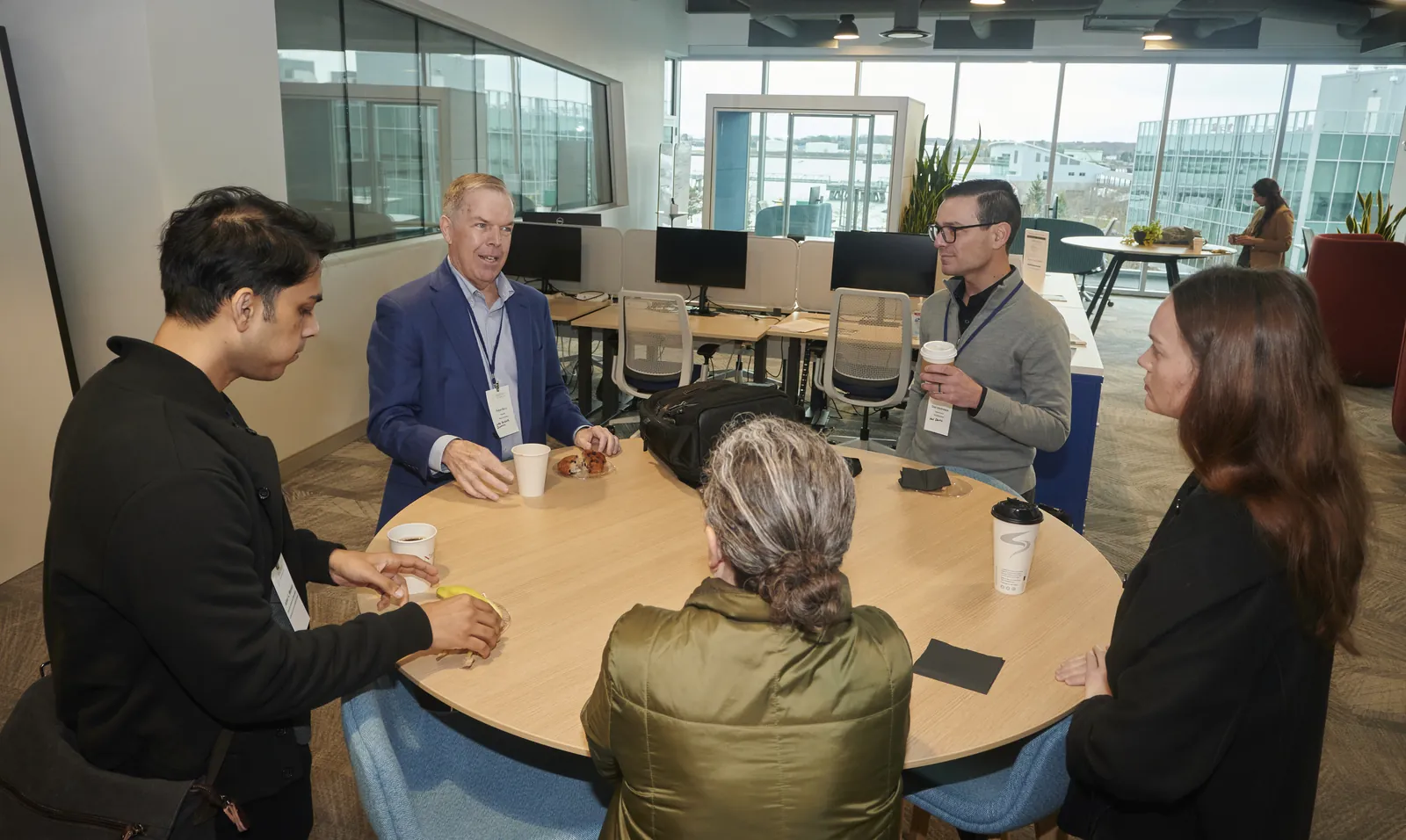
Thank you to our speakers, sponsors, exhibitors, partners, and attendees for making NNEMTC 2026 possible. We look forward to seeing the connections and collaborations that come out of this year's conference and welcoming everyone back next year.
Brought to you by.

Thank you to our sponsors.
Their support made NNEMTC 2026 possible.






Two full days focused on collaboration.
The full NNEMTC 2026 program as it ran at the Roux Institute on November 12 and 13, with the panelists, keynote speakers, and judges.
















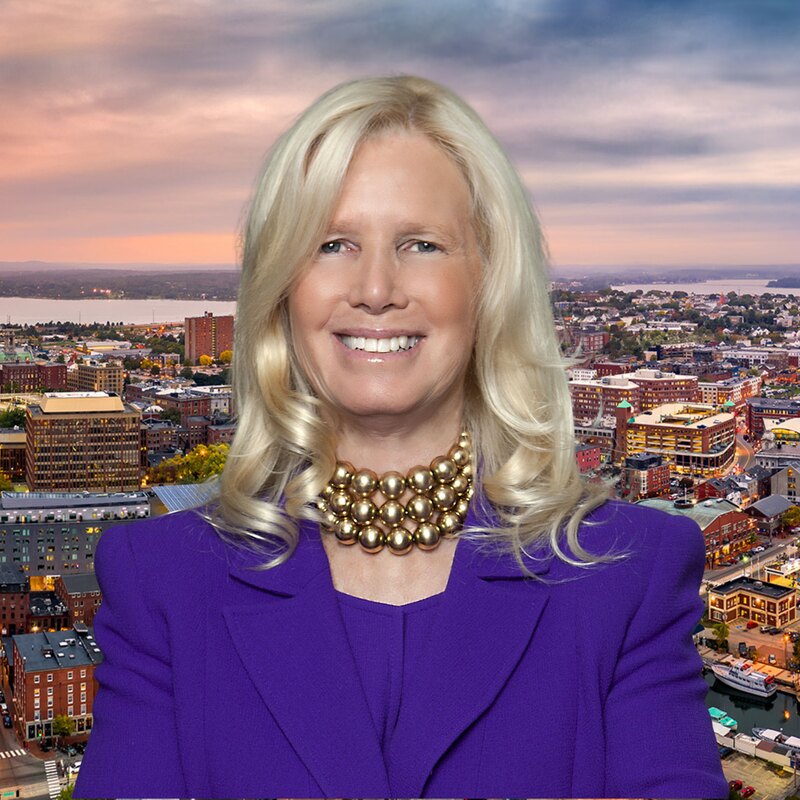
























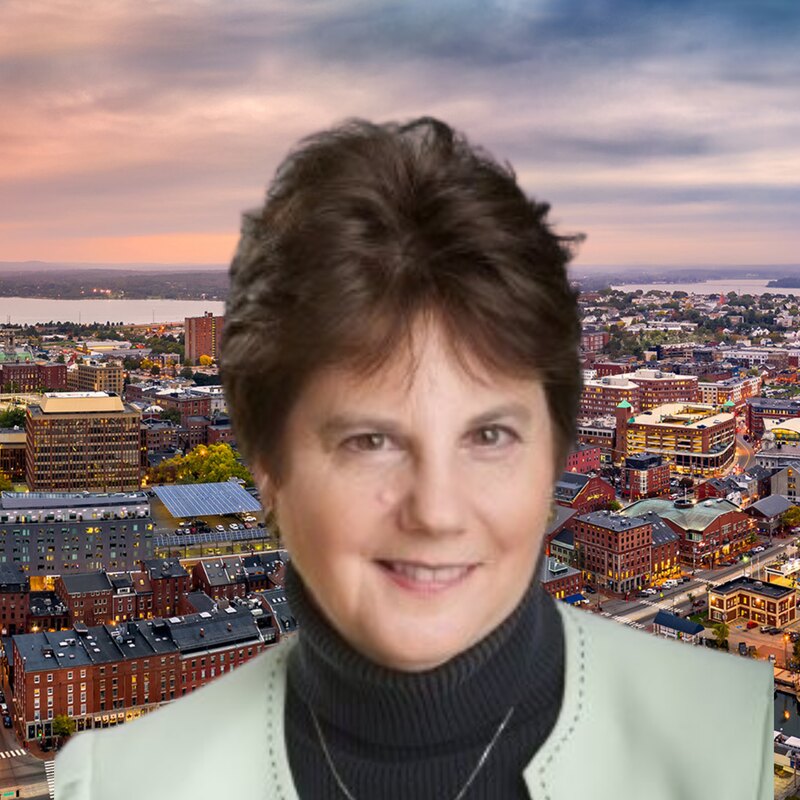



















Rear Admiral Susan J. Blumenthal, MD, MPA (ret.)
Provost’s Distinguished Professor, Northeastern University; Rear Admiral (ret.); Former US Assistant Surgeon General; Founder, Public Health Technology Field
Rear Admiral Susan J. Blumenthal, MD, MPA (ret.), is a physician, public health expert, and global health advocate who served for more than two decades as a senior government health leader under four U.S. presidents. Her roles included the first Deputy Assistant Secretary for Women’s Health at the U.S. Department of Health and Human Services, Assistant Surgeon General of the United States, and research branch chief and committee chair at the National Institutes of Health. She currently serves as Provost’s Distinguished Professor at Northeastern University; as a Visiting Professor at the MIT Media Lab; Clinical Professor at Tufts University School of Medicine; and Ambassador for the Institut Curie in France. She was a pioneering leader in exposing inequities in women’s health and developing cross-cutting initiatives to move these issues to the forefront of the national agenda. The application of technology has been a key focus of her career including establishing the first health website in the government as well as the “Missiles to Mammograms” initiative that transferred CIA, NASA, and DOD technology to improve breast cancer detection.
Her awards include honorary doctorates, the Distinguished Service Medal of the U.S. Public Health Service and appointment as a Knight (Chevalier) in the French Legion of Honor, France’s highest recognition for military and civilian achievement. Blumenthal has chaired numerous international and national medical commissions and conferences, served as the Host and Medical Director of an award-winning television series on health, and as the health columnist for US News and World Report, Huffington Post, and Elle magazines. Her areas of focus span women’s health, global health policy, mental health, and public health advocacy. She is a thought leader and founder of the new field of Public Health Technology.